

How Low Pressure Die Casting Machines Improve Production Efficiency
The manufacturing industry is continuously evolving, driven by the demand for higher precision, reduced material waste, and faster production cycles. In sectors such as automotive, aerospace, and electronics, component complexity and stringent quality requirements challenge conventional casting methods. Low Pressure Die Casting (LPDC) machines have emerged as a reliable solution, offering a combination of efficiency, precision, and repeatability that addresses these modern industrial demands.
Industry Background and Market Demand
Global competition and increasing product complexity necessitate advanced casting techniques. Traditional gravity casting and high-pressure die casting often struggle with porosity, material wastage, and mold wear. LPDC technology fills this gap by enabling manufacturers to produce high-integrity components with superior mechanical properties and reduced post-processing requirements. The demand for lightweight metals such as aluminum and magnesium alloys further drives the adoption of LPDC machines, especially in the automotive sector, where fuel efficiency and structural integrity are critical.
Core Concepts and Key Technology
LPDC machines operate by applying controlled hydraulic pressure to molten metal, pushing it into closed molds with precision. Unlike high-pressure die casting, which forces metal at extremely high velocities, LPDC uses a lower, regulated pressure, reducing turbulence and gas entrapment. This method ensures minimal porosity and consistent density across the casting, enhancing structural performance. Key technologies include automated hydraulic systems, precision mold clamping, and real-time temperature monitoring, which collectively optimize metal flow and solidification rates.
Product Structure, Performance, and Manufacturing Process
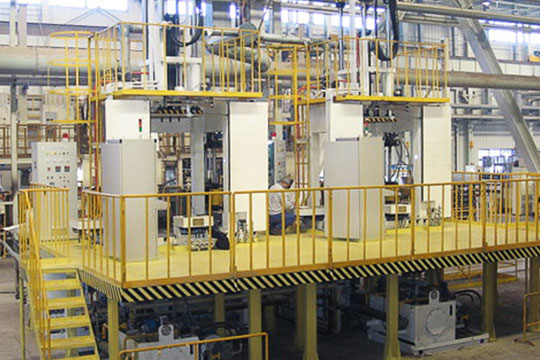
The typical LPDC machine consists of a furnace to melt metal alloys, a hydraulic cylinder to control pressure, a mold clamping system, and a casting chamber. Materials such as aluminum, magnesium, and zinc alloys are commonly used, chosen for their lightweight and corrosion-resistant properties. The manufacturing process involves careful mold preparation, controlled metal pouring, and precise pressure application during solidification. Automation ensures consistent cycle times and reduces operator dependency, contributing to overall production efficiency.
Factors Affecting Quality and Performance
Several factors impact LPDC quality, including mold design, alloy composition, metal temperature, and hydraulic pressure control. Proper mold venting is essential to prevent gas entrapment, while maintaining optimal metal temperatures avoids cold shuts or shrinkage defects. Hydraulic system maintenance and calibration are critical, as pressure fluctuations directly affect casting consistency. Additionally, alloy purity and degassing practices influence the final mechanical properties, highlighting the importance of rigorous process control.
Supply Chain and Supplier Selection
Selecting a reliable LPDC machine supplier requires evaluating technological capabilities, after-sales support, and adherence to international standards. Suppliers offering integrated solutions with real-time monitoring, preventive maintenance, and customizable mold options provide a competitive advantage. Material sourcing also plays a key role, as consistent alloy quality ensures uniform casting performance. Proximity to technical support and spare parts availability reduces downtime and maintains continuous production efficiency.
Common Challenges and Industry Pain Points
Despite its advantages, LPDC adoption can encounter challenges such as initial capital investment, operator training, and mold lifecycle management. Equipment calibration and maintenance are crucial to prevent deviations in casting quality. Managing thermal stress in molds and controlling solidification rates require expertise, particularly for large or complex components. Addressing these pain points through structured training, preventive maintenance, and process standardization is vital for maximizing LPDC benefits.
Applications and Industry Use Cases
LPDC machines are widely used in automotive engine components, aerospace structural parts, and electronic housings. For instance, aluminum engine blocks and magnesium transmission housings benefit from LPDC’s ability to produce thin-walled, high-strength castings with minimal post-processing. In electronics, precise and lightweight housings are achievable without compromising mechanical integrity. Case studies demonstrate reductions in scrap rates, improved dimensional accuracy, and shorter production cycles, proving LPDC’s efficiency impact.
Current Trends and Future Directions
Industry trends point toward increased automation, integration with digital manufacturing systems, and real-time process analytics. Smart LPDC machines equipped with IoT sensors can monitor pressure, temperature, and mold conditions, enabling predictive maintenance and continuous optimization. The push for lightweight, high-strength alloys and environmentally friendly processes also drives the adoption of LPDC in emerging sectors such as electric vehicles and renewable energy components. Future developments may include hybrid casting methods, adaptive hydraulic control, and enhanced simulation tools to further increase efficiency and precision.
Conclusion
Low Pressure Die Casting machines represent a strategic investment for manufacturers seeking higher efficiency, precision, and product quality. By controlling metal flow and solidification, LPDC minimizes defects, reduces waste, and accelerates production cycles. With careful attention to process control, supplier selection, and technological integration, industries ranging from automotive to aerospace can achieve significant operational advantages. As automation, digital monitoring, and lightweight alloy demand continue to grow, LPDC technology is set to play a central role in modern precision manufacturing.
We sincerely invite our distinguished guest from anywhere in the world to work with us under the same interest .
About


This website uses cookies to ensure you get the best experience on our website.
 Español
 Pусский
 Indonesia
 Tiếng Việt



 Phone
Phone
Comment
(0)