
 Español
 Pусский
 Indonesia
 Tiếng Việt

Energy Efficient Metal Casting Production Line
Energy-Efficient Metal Casting Production Line The metal casting industry is a significant consumer of energy, but advancements in technology and process optimization have enabled the development of energy-efficient production lines that reduce waste, lower emissions, and improve overall sustainability. An energy-efficient metal casting production line integrates innovative equipment, smart automation, and optimized workflows to minimize energy consumption while maintaining high productivity and quality. Key Components and Technologies 1. High-Efficiency Melting Systems The melting process is one of the most energy-intensive stages in metal casting. Modern production lines utilize induction furnaces or electric arc furnaces with advanced power control systems to improve energy efficiency. These systems recover waste heat and optimize melting cycles, reducing electricity consumption by up to 30% compared to traditional gas-fired furnaces. 2. Waste Heat Recovery Excess heat generated during melting and cooling can be captured and reused for preheating raw materials or powering auxiliary systems. Heat exchangers and thermal storage units enhance energy utilization, lowering overall fuel or electricity demand. 3. Automated Process Control Smart sensors and real-time monitoring systems adjust parameters such as temperature, pressure, and flow rates to optimize energy use. Automated pouring systems ensure precise metal delivery, reducing spillage and rework, which further conserves energy. 4. Energy-Efficient Molding and Core Making Advanced sand molding techniques, such as 3D sand printing, eliminate the need for energy-intensive pattern-making processes. Additionally, inorganic binder systems in core production reduce emissions and energy consumption compared to traditional organic binders. 5. Optimized Cooling and Finishing Controlled cooling systems with variable-speed fans and water recirculation minimize energy waste. Automated finishing processes, including robotic grinding and cutting, improve efficiency while reducing power consumption. Sustainability Benefits - Lower Energy Costs – Reduced electricity and fuel usage lead to significant cost savings. - Reduced Carbon Footprint – Energy-efficient operations decrease greenhouse gas emissions. - Enhanced Productivity – Automation and optimized workflows improve throughput with less energy waste. Conclusion An energy-efficient metal casting production line combines advanced technologies, automation, and waste reduction strategies to achieve sustainable manufacturing. By adopting these innovations, foundries can enhance competitiveness while contributing to environmental conservation.
Products
Category:
-
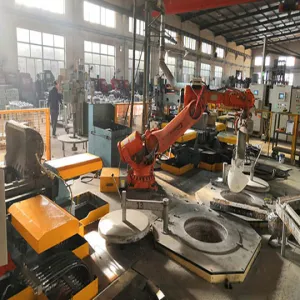
Energy-saving and Environmentally Friendly Casting Production Line
Category: Automatic Casting Production LineBrowse number: 31Number:Release time: 2025-12-22 10:38:17The Energy-saving and Environmentally Friendly Casting Production Line is designed to deliver high-efficiency, low-emission metal casting for industrial applications. Integrating automated mold handling, precise temperature control, and optimized cooling systems, it minimizes energy consumption while maintaining consistent quality and dimensional accuracy. Suitable for steel, aluminum, and copper alloys, this production line reduces material waste and operational costs. Advanced sensors and intelligent control systems monitor every stage of the casting process, ensuring superior performance and reliability. Ideal for automotive, aerospace, and heavy machinery manufacturing, it supports sustainable production practices while enhancing throughput and product consistency.
News
Category:
No search results found!
Case
Category:
No search results found!
Video
Category:
No search results found!
Download
Category:
No search results found!
Job
Category:
No search results found!
Featured Products
No search results found!



 Phone
Phone